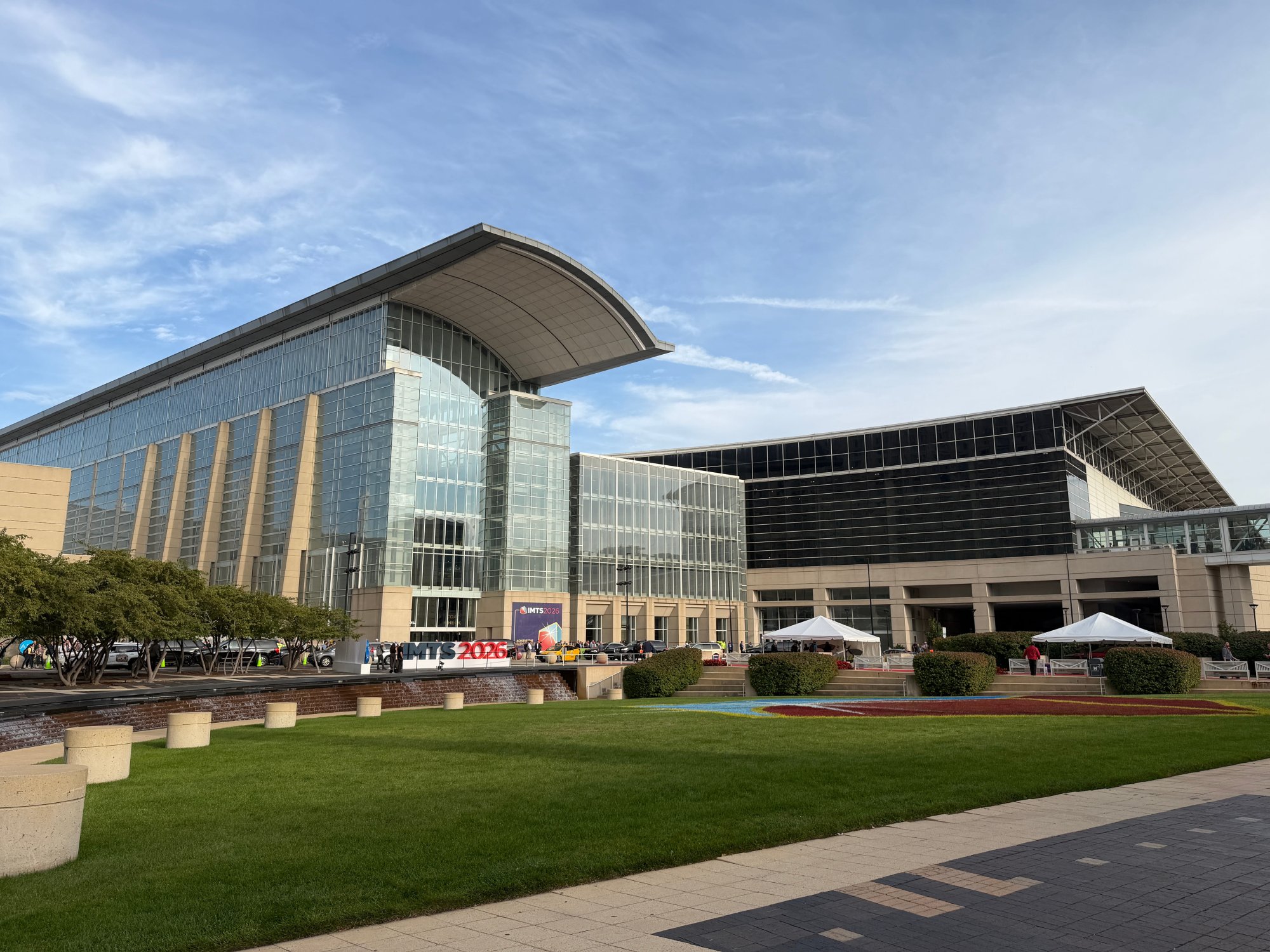
The International Manufacturing Technology Show (IMTS) in Chicago brought together industry leaders, innovators, and manufacturers looking to optimize operations and drive sustainable growth. While emerging technologies dominated the exhibit halls, the core takeaway from our conversations with attendees was clear: operational success relies on a solid foundation, and Enterprise Resource Planning (ERP) remains the backbone of modern manufacturing.
Whether speaking with prospective clients or connecting with existing users at the show, several key trends emerged around ERP optimization, digital transformation, and standardizing operations. Here are the core insights from our discussions at IMTS.
1. Modernizing Operational Foundations: Migrating to Epicor Kinetic
A prominent theme among prospective clients was the transition from legacy platforms to Epicor Kinetic. Manufacturers are recognizing that outdated ERP systems create operational bottlenecks, hinder scalability, and lack the real-time visibility required in today’s fast-paced market.
Converting to Epicor Kinetic allows businesses to leverage a cloud-ready, browser-based ERP designed specifically for discrete and process manufacturing. Key drivers for migration include:
- Modern user interfaces that improve daily workforce adoption.
- Built-in flexibility for complex manufacturing environments (Make-to-Order, Engineer-to-Order, and Configure-to-Order).
- Integrated analytics that support data-driven decision-making across production, supply chain, and financials.
2. Continuous Improvement for Existing Epicor Customers
Continuous improvement was top of mind for current Epicor users who stopped by to discuss efficiency gains. Many organizations already running Epicor are looking for ways to maximize their existing investment and refine daily workflows.
Conversations centered on moving past surface-level system usage to unlock advanced functionality, such as:
- Automating manual shop floor and inventory scheduling workflows.
- Streamlining cross-departmental data flow to eliminate functional silos.
- Fine-tuning reporting tools to capture actionable, real-time insights.
Through targeted system health checks and continuous improvement initiatives, manufacturers can achieve higher throughput without increasing overhead.
3. Addressing the Knowledge Gap: System Re-Implementation
A recurring topic among long-time ERP users was the challenge of internal turnover. Over time, key personnel who led the original ERP implementation leave the organization, leaving new teams to inherit a system they may not fully understand or know how to optimize.
This disconnect often leads to workarounds, manual spreadsheets, and degraded system utility. Re-implementation or targeted system realignment allows companies to:
- Train incoming staff on ERP capabilities and operational best practices.
- Eliminate redundant or outdated custom workflows built for legacy processes.
- Align current business goals with standard ERP functionality to ensure long-term scalability.
4. AI Optimization and Process Standardization
Artificial intelligence was a major focal point across the show floor, but conversations quickly turned to practical execution: How can AI deliver measurable business value?
Rather than viewing AI as a standalone tool, manufacturers are using it to standardize business processes and automate routine administrative tasks within their ERP framework. Practical applications include:
- Predictive Insights: Utilizing machine learning to project material demands and maintain optimal inventory levels.
- Process Automation: Standardizing data entry, purchase requisitions, and customer communication workflows.
- Smart Analytics: Enhancing decision-making speed through automated anomaly detection and operational reporting.
5. ERP Remains Relevant and Growing in the Age of AI
Despite the rapid onset and buzz surrounding AI, IMTS highlighted that ERP systems are not being replaced, they are growing in importance.
Artificial intelligence requires accurate, structured, and centralized data to function effectively. Without a robust ERP platform acting as the central source of truth, AI initiatives risk delivering inconsistent or flawed outputs. Integrating AI capabilities directly into platforms like Epicor Kinetic reinforces the necessity of a central ERP system, making it a critical foundation for any advanced digital transformation strategy.
Building a Future-Ready Manufacturing Strategy
The conversations at IMTS underscored that staying competitive requires a balance between adopting modern innovation and optimizing foundational systems. Whether evaluating a migration to Epicor Kinetic, re-aligning an inherited system, or leveraging AI to streamline operations, maintaining an optimized ERP is critical to achieving long-term profitability and agility.
Looking to optimize your ERP operations or explore a migration to Epicor Kinetic? Contact the team at Six S Partners to learn how we help manufacturers maximize system value.